
OUTCOME EVIDENCE
Your proof already exists. Buyers just can't see it.
We find your strongest proof, whatever form it takes, and put it where people look before they choose, in the way that fits your business and your rules.
Vague praise reassures. It doesn't convert.
"Great service, five stars" makes you look safe. Specific proof is what makes you the answer to someone's specific problem.
Proof that lives in one place
The result, the credential or the story that would convince your next customer sits on one page or one profile, and the people comparing you never find it.
Invented case studies burn trust
Plenty of shops fictionalize proof. Proof that gets contradicted eventually takes down everything built on it. We never invent.
How we handle proof
Proof is more than reviews. Depending on the business, the strongest evidence might be credentials and training, documented results, project history, press and awards, before-and-afters, case stories a client agreed to share, or the questions you answer better than anyone. Reviews are one source, not the whole story.
Your industry sets the rules. Some businesses can feature customer stories everywhere. Others can’t. Medical practices, for example, often can’t reuse patient reviews outside the platform they were written on, so the proof shifts to credentials, provider expertise and facts that don’t involve a patient’s words. We work inside those rules, not around them.
Never invented. Every claim stays exactly as true as its source. If a story needs facts we don’t have, we ask. We don’t fill the gaps.
Placed where people check. Once we know what your proof is and what you’re allowed to use, it goes where buyers and AI systems look before they choose: your site, your profiles and the platforms your customers trust. The format depends on the business. There is no fixed package, because the same proof doesn’t work the same way for a plumber, a law firm and a surgeon.
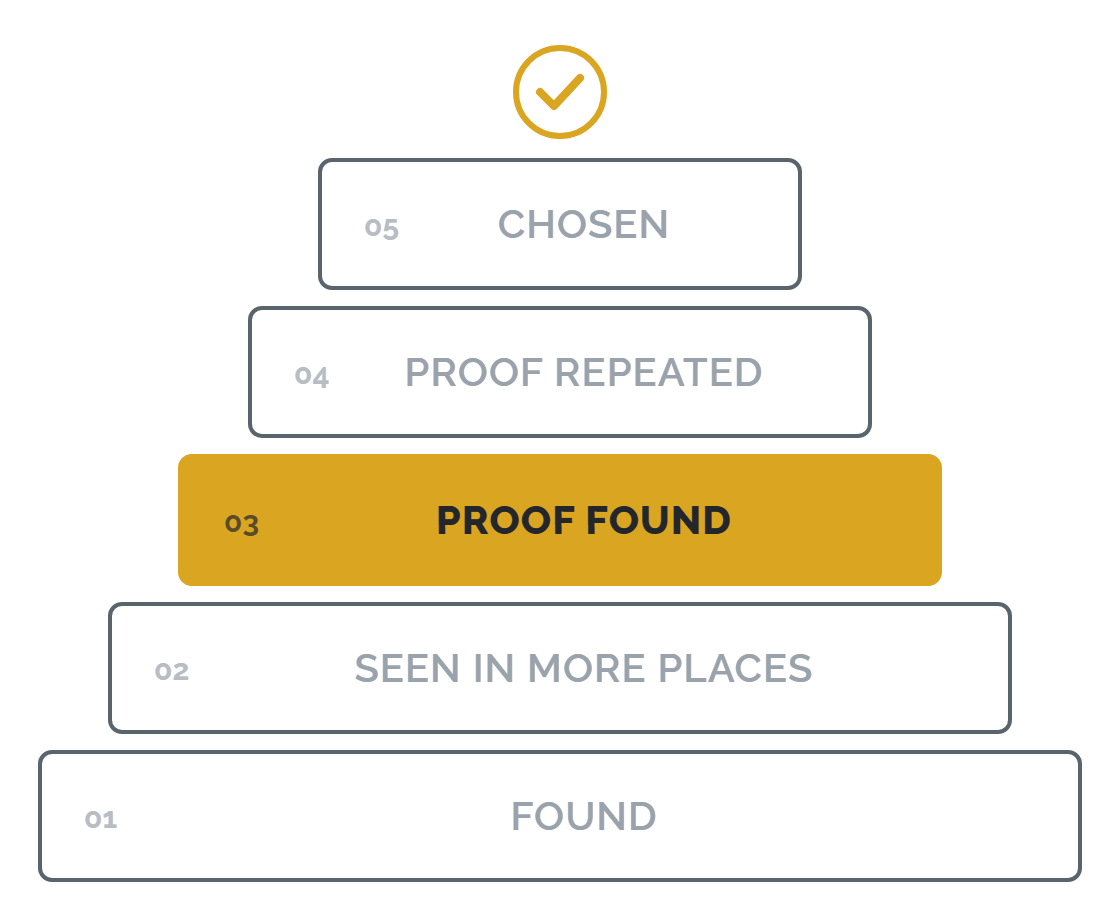
Where this leads: proof found becomes proof repeated. The same true story, encountered more than once, is what makes choosing you feel obvious.
Frequently Asked Questions
Then reviews aren’t where we start. Most businesses have stronger proof sitting somewhere else: credentials, results, project history, press. Where reviews do matter, we can help you ask for them in a way that brings out specific problems and outcomes.
Often not, and we don’t push that line. Many medical and regulated businesses can’t reuse patient reviews off the platform they were written on. In those cases the proof work centers on credentials, provider expertise and other verifiable facts that don’t involve a patient’s words.
No. Reputation management mostly defends: monitoring, responding, damage control. This is the other direction: taking proof you’ve already earned and making sure it reaches the people deciding whether to choose you.
When the business and the customer allow it, yes, built from what actually happened and never invented. If a story needs facts the source doesn’t contain, we ask rather than make them up.